← Talk overview

New Media Lab · 22 October 2026

Rasin.ai

rasin

[ʁasin]

noun · Haitian Kreyòl

root; roots

Building evidence-centered AI infrastructure for Haitian and Black Atlantic history

Designed for multilingual research.

What Rasin does

Organize sources

Bring historical materials into a searchable collection.

Explore connections

Move between people, places, events and concepts.

Examine evidence

Develop paths from those connections back to source passages.

Presented by

Ricardo Ledan

M.A. student in Digital Humanities
The Graduate Center, CUNY

The methodology

Power, silences, and historical production
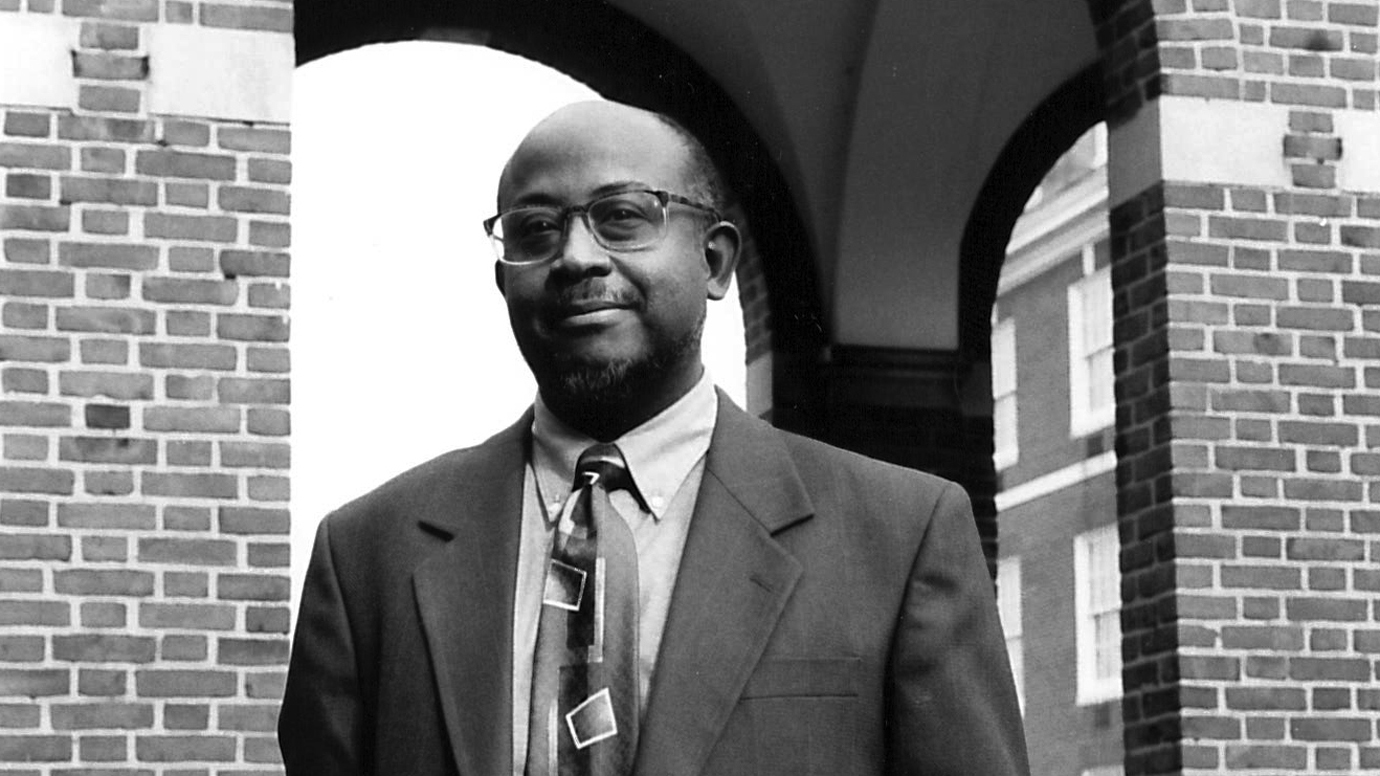
Michel-Rolph Trouillot beneath a brick archway

Michel-Rolph Trouillot

Silencing the Past (1995)

TROUILLOT’S ARGUMENT

Power shapes what gets recorded, preserved, and told—and what becomes accepted as history.
Silences are produced throughout that process.

RASIN’S DESIGN RESPONSE

Build scholarly standards into how the system handles evidence.

Collect

Preserve source context and make collection scope visible.

Process

Evaluate each processing stage; distinguish system gaps from historical absence.

Retrieve

Examine which sources and relationships become visible.

Present

Connect claims to sources, interpretations and uncertainty.

Photo: University of Chicago Library

Photo: University of Chicago Photographic Archive, apf1-11275, Hanna Holborn Gray Special Collections Research Center, University of Chicago Library.

Rasin.ai

2

The research workspace

The research practice behind Rasin

In-depth notes on Haitian history and related texts, created with AI agents and linked in Obsidian.
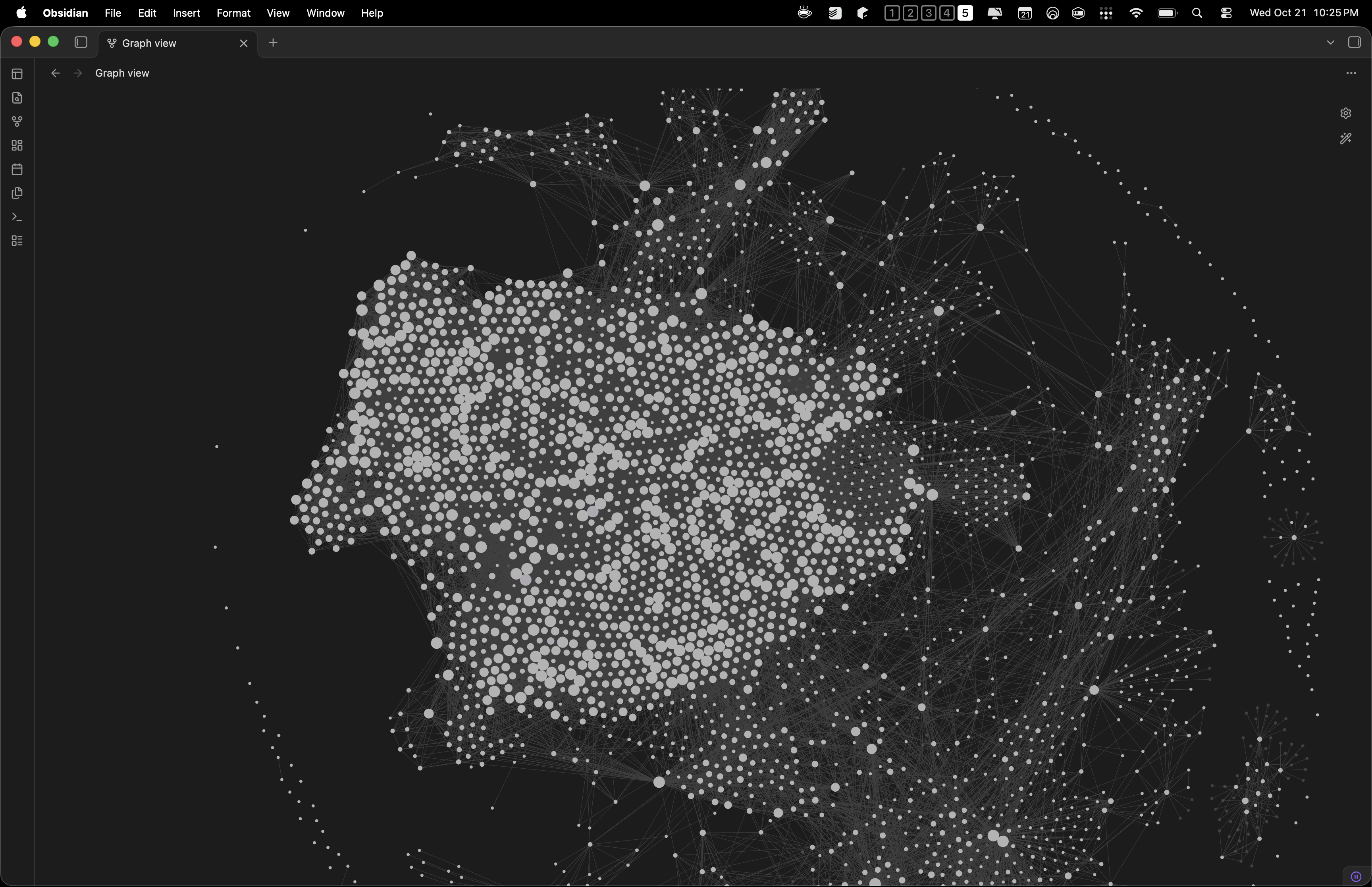
Ricardo’s Obsidian graph overview, showing a dense network of linked notes

AN AGENT-BUILT RESEARCH WIKI

Develop

Use AI agents to create in-depth notes around historical texts.

Connect

Link sources, people, events and concepts across readings.

Investigate

Use those connections to identify questions and return to the underlying texts.

Obsidian view. Connections between research notes.

Rasin.ai

3

The infrastructure

Rasin’s infrastructure design

A shared evidence foundation supports different ways to research the archive.

SOURCE PREPARATION

SHARED EVIDENCE FOUNDATION

RESEARCH ACCESS

Source management

Originals, metadata, rights

Ingestion

OCR, passages,
indexing

Sources and searchable text

Source records, OCR passages, indexes

Evidence organization

People, events, attributed claims and source relationships

Retrieval

Search and generated answers

Profiles and connections

Browse entities and their relationships

Preserve where evidence comes from, respect source-use rights, and evaluate what the system retrieves and presents.

Rasin.ai

4

Profiles and connections

People, places, events, and concepts

Follow Sans Souci into a wider historical context and back to sources.

Sans Souci

PERSON

Macaya

PERSON

Henri Christophe

PERSON

Silencing the Past

SOURCE · TROUILLOT

Kongo

CONCEPT

West Central Africa

PLACE

August 1791 Uprising

EVENT

Rasin.ai

5

A proposed pilot with NML

Does improving OCR improve access to historical evidence?

What we would test

Compare Rasin’s current OCR with corrected text from the same historical pages. Keep the search setup and questions fixed, then test whether relevant passages are easier to find and inspect.

What I’m asking NML for

A working session to choose the materials and research questions, advise on OCR tools, and help shape a researcher walkthrough.

What the pilot would produce

A reusable evaluation set and a clear account of where access breaks down: text recognition, retrieval, or source inspection.

Contact me

ricardo.ledan45@gc.cuny.edu